

Ask Your Business a Question, Get the Working Behind the Answer
Most decisions get delayed because pulling the numbers takes longer than making the call. A decision assistant reads your own data, lays out the options with their trade-offs, and shows the records behind each one. The decision stays yours.
50+ ERP and software projects. Zero failed projects since 2021.
The delay is rarely the decision. It is finding the numbers
By the time the working file comes back from three departments, the window has often closed and the call gets made on instinct anyway.
Stop adjourning to check a figure
A question that would take two days to answer properly usually gets answered from memory instead. The assistant pulls the relevant data while the discussion is still happening, so the meeting works from facts rather than recollection.
- The relevant numbers pulled on the spot.
- Options compared on the same basis.
- Fewer decisions deferred to the next review.

The assistant shows the trade-off, you weigh it
Numbers do not capture a long customer relationship, a supplier who helped during a shortage, or a strategic reason to take a thin order. The assistant lays out what the data says and what it cannot see, and the person who owns the outcome decides.
- Trade-offs stated plainly, with the evidence.
- Gaps and assumptions called out, not hidden.
- No action taken without a person approving it.
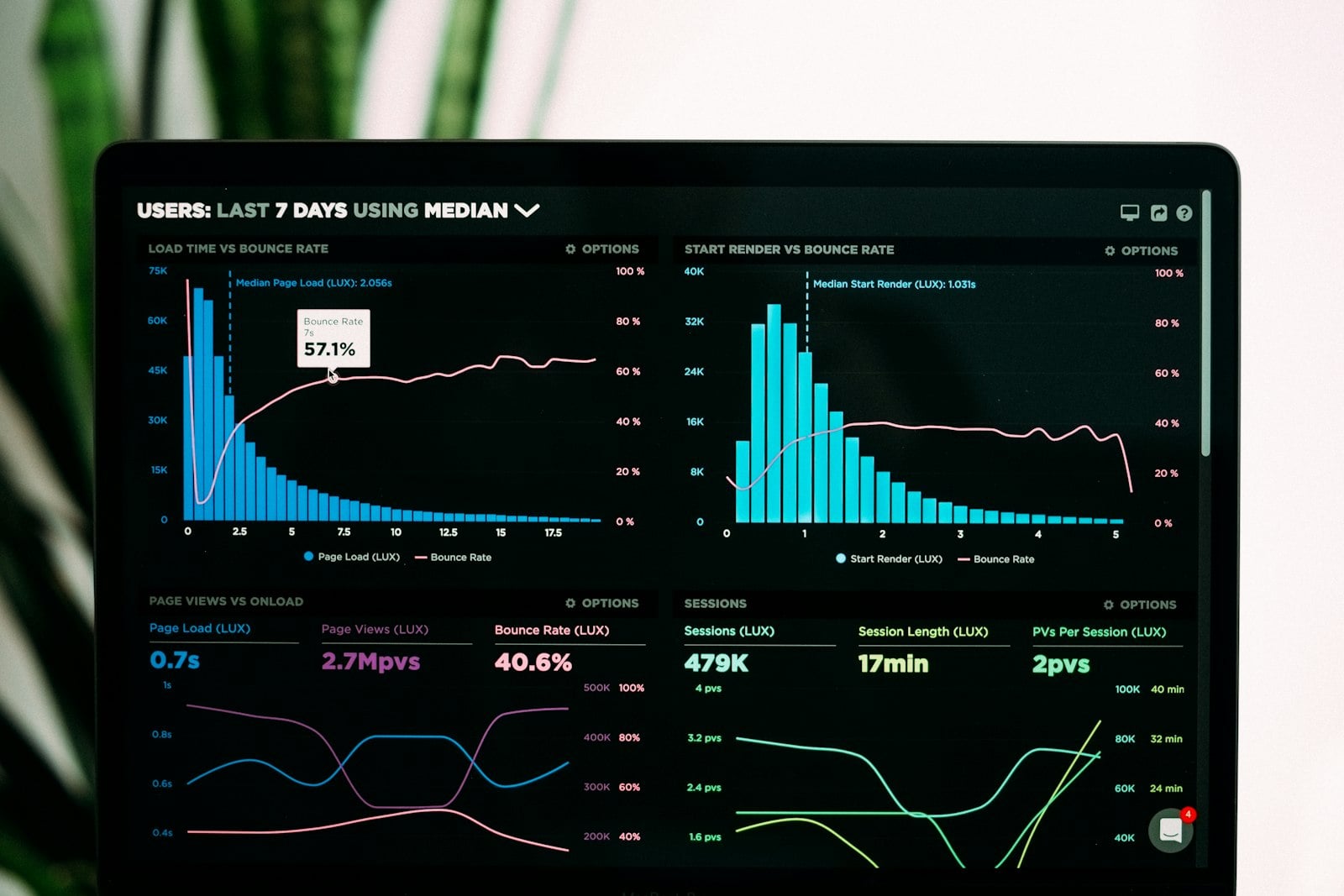
The kind of question that usually needs a working file
Each answer arrives with the period used, the assumptions applied, and the records it was built from, so you can challenge it before you act on it.
From a plain-language question to an answer you can check
Six things a decision assistant handles
All of it runs on your own systems, under your existing permissions, and none of it commits the business to anything on its own.
Understands the question
Reads a plain-language question and works out which data and period actually answer it.
Compares the options
Puts the choices side by side on the same cost basis, so the comparison is honest.
Shows its working
Names the data used, the assumptions applied, and the records behind every figure.
Applies your policy
Margin floors, credit limits, discount bands and approval rules are built into the analysis.
Runs what-if scenarios
Change a price, a volume or a lead time and see what it does to the order book and margin.
Keeps a decision log
What was asked, what the data said, what was decided, so the reasoning survives the meeting.
What a decision assistant changes
Why leaders choose TCB Infotech for decision support
AI decision assistant questions
What is an AI decision assistant?
Does it make decisions on its own?
How do I know the answer is right?
What kind of questions can it handle?
Which data does it use?
How long does it take to set up?
Put Your Own Data Behind Your Next Decision
Book a free consultation. Tell us the questions that take days to answer today, and we will show you how a decision assistant would handle them.
Book a Free Consultation →No commitment. A practical look at the questions your data can already answer.
What Is Inside an AI Decision Assistant
An assistant is only useful if you can trust the answer and check it. Here is what it reads, how your own policy shapes the analysis, and the safeguards that keep the decision with a person.
From a question in the meeting to a call you can defend
It answers from your systems, not from general knowledge
The assistant reads your ERP, accounts, CRM, production and inventory records, along with contracts and price lists where they matter. If a question cannot be answered from that data, it says so rather than filling the gap with an estimate.
- Answers built only from your own records.
- The period and the source named every time.
- Missing or thin data flagged, not hidden.
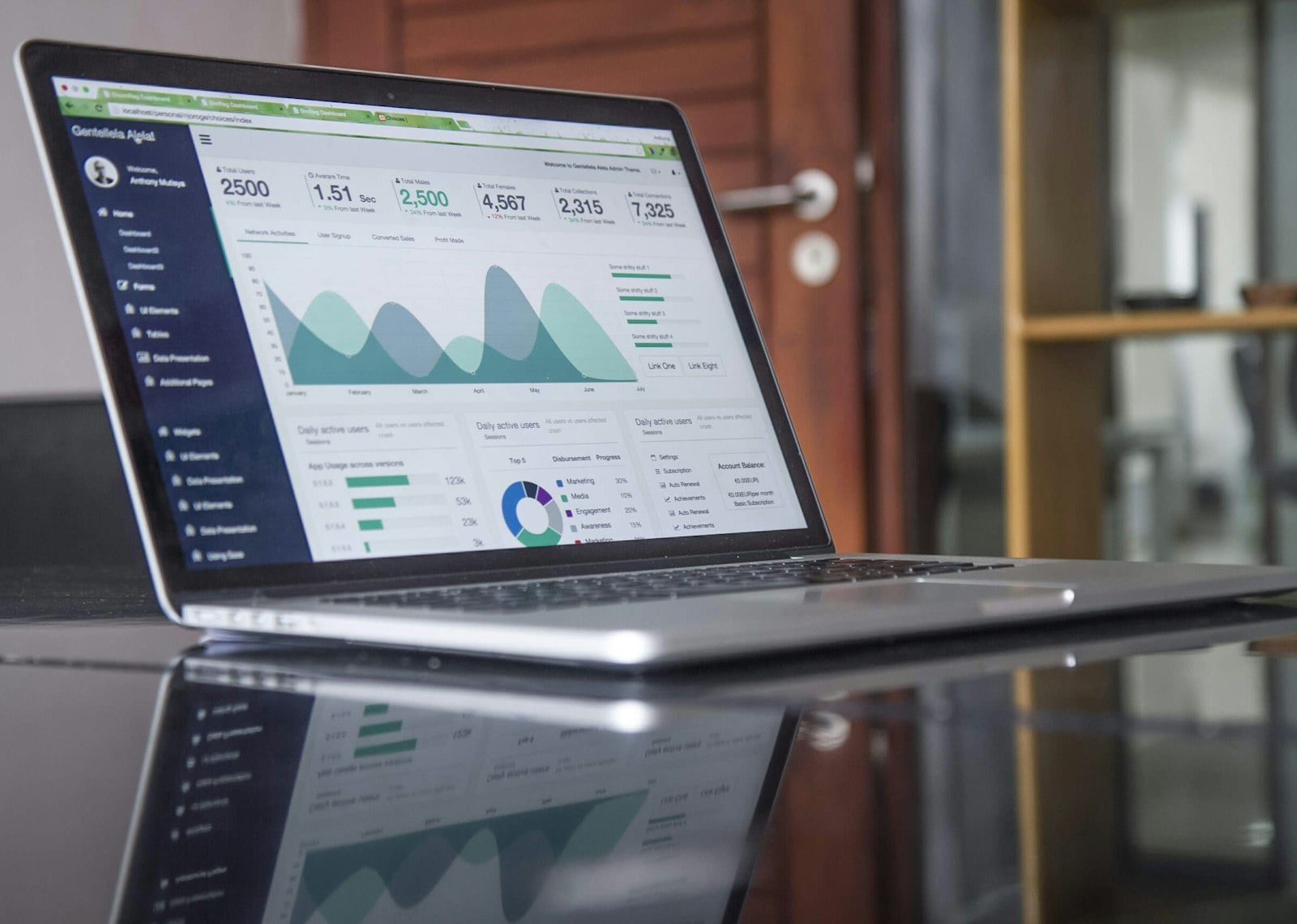
Margin floors and credit rules shape every comparison
The options are not compared in the abstract. Your cost basis, margin floor, discount bands, credit limits and approval thresholds are built in, so an option that breaks a rule is shown as breaking it, with the size of the gap.
- Cost basis and margin floors applied consistently.
- Credit, discount and approval limits respected.
- Rules updated as your policy changes.
It advises, it does not act
The assistant cannot approve an order, change a price, release a payment or commit capacity. It presents the analysis and the trade-offs, a person makes the decision, and the reasoning is logged so the choice can be reviewed later with the same evidence.
- No autonomous action of any kind.
- Access follows your existing permissions.
- Every decision and its basis recorded.
Everything the assistant delivers
Plain-language questions
Ask the way you would ask a colleague, with no report names or codes to remember.
Option comparison
Choices set side by side on one cost basis, with the trade-off written out.
What-if scenarios
Test a price, volume or lead-time change against the current order book before committing.
Evidence trail
Open any figure and see the transactions, contracts or price lists it came from.
Decision log
What was asked, what the data showed, and what was decided, kept for later review.
Permission-aware
People get answers only from data they are already allowed to see in your systems.