A Camera That Checks Every Unit, Not a Sample
Visual inspection by a person is thorough for the first hour and tired by the fourth. Custom computer vision watches a camera feed continuously, checking every unit, every gauge reading or every shelf for the pattern it was trained to catch, and flags the cases that need a closer look. A person still makes the call on anything flagged and on anything the model has not seen before.
50+ ERP and software projects. Zero failed projects since 2021.
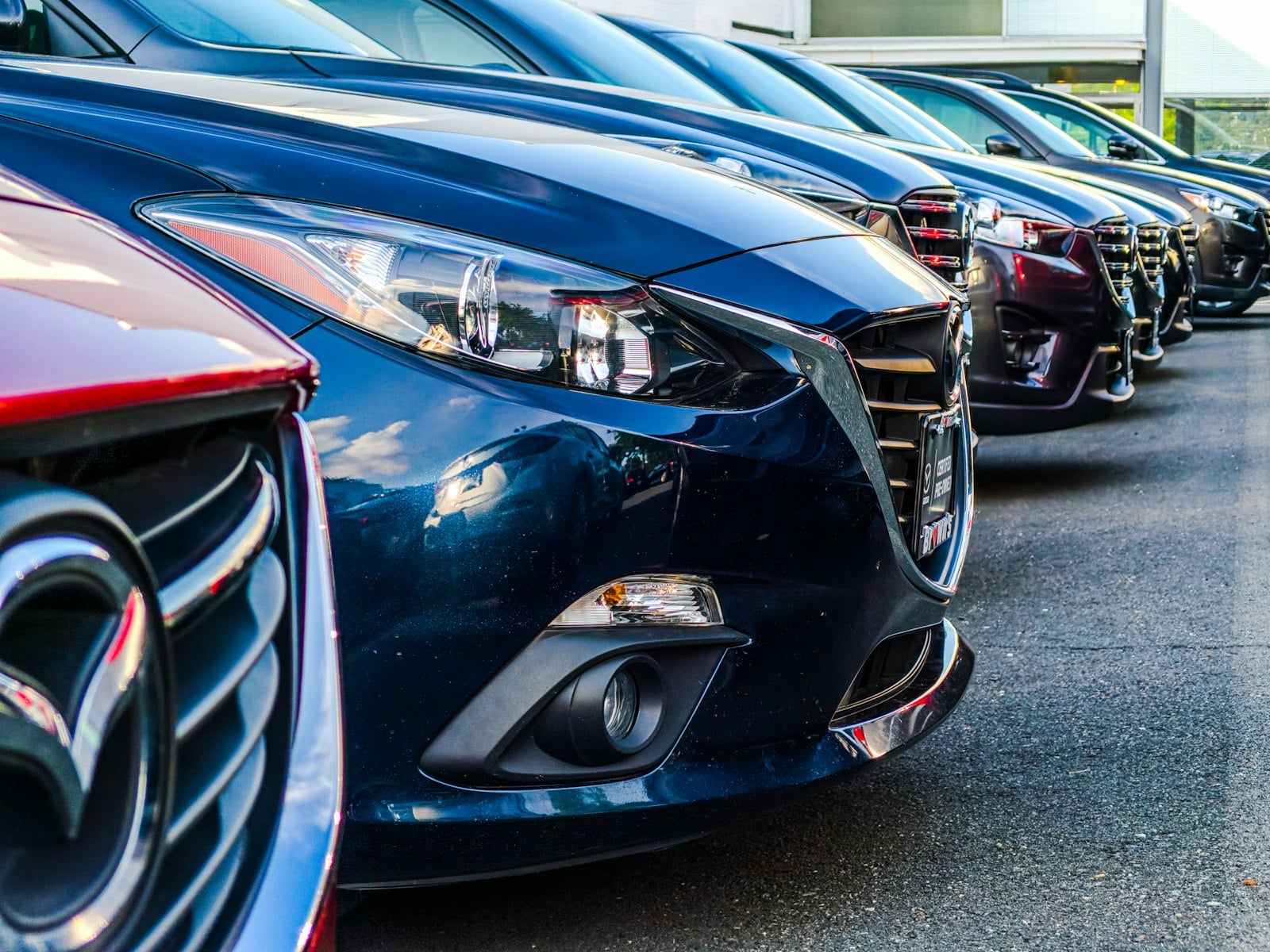
A person checking every unit is a person who gets tired
Visual inspection is one of the few tasks where attention genuinely degrades over a shift, and the cost of a miss compounds downstream.
Consistency a person cannot maintain for eight hours
A camera does not lose focus in the last hour of a shift. It checks every unit the same way, flags what matches a known defect pattern, and leaves the final decision to a person who can now spend their attention on the cases that actually need it.
- Every unit checked, not a sample of them.
- Consistent standard applied across the whole shift.
- Attention freed for the cases that need a person.
The model narrows the pile, a person makes the call
A model built for one specific check does that check well, but it should not be trusted with cases it has never seen. Anything below a confidence threshold, or genuinely new, is flagged for a person rather than passed or rejected automatically.
- Confidence thresholds set with your quality team.
- Unfamiliar cases routed to a person, not guessed at.
- The model narrows attention, it does not replace judgement.
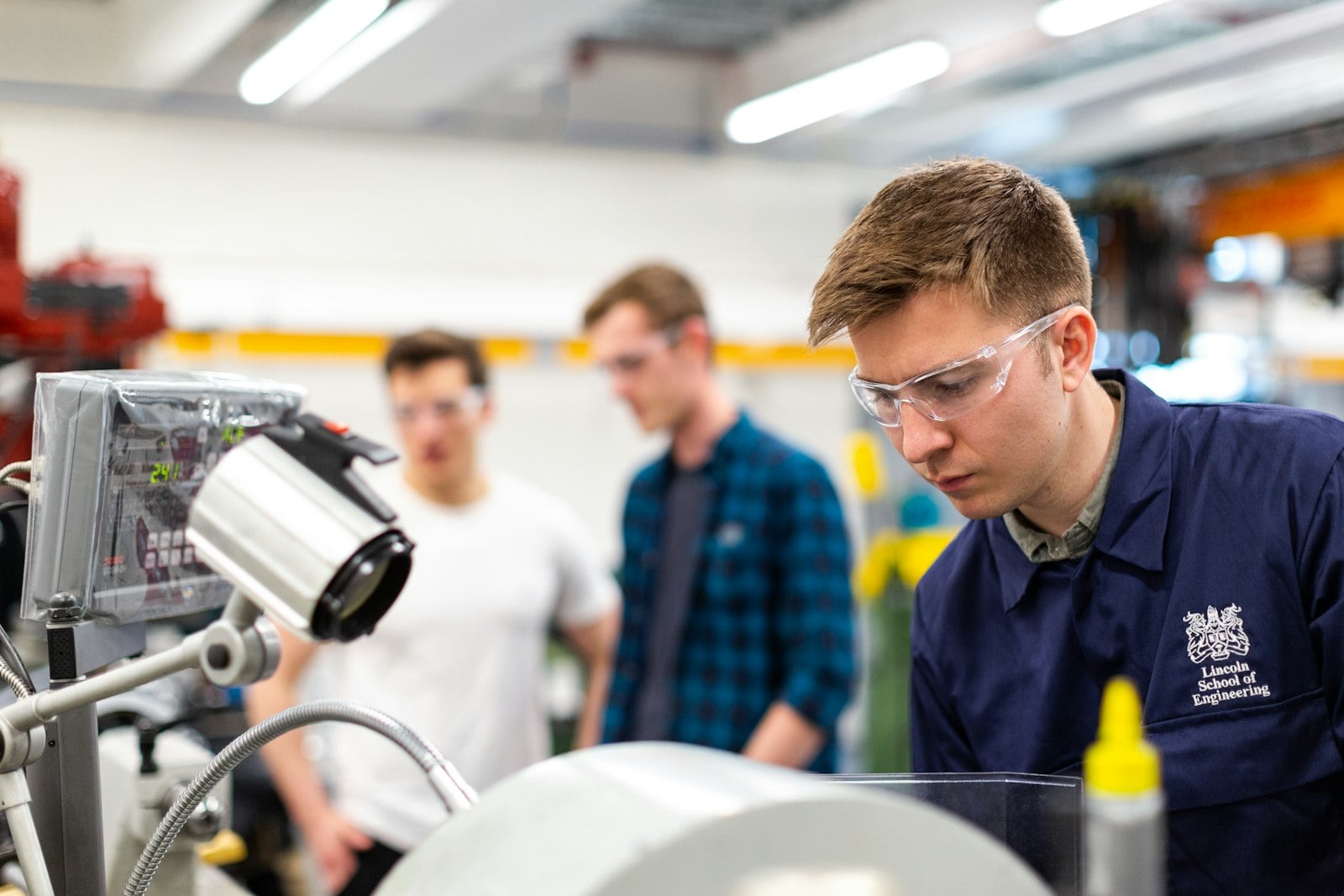
What a flagged frame looks like
The camera view, the region flagged, and the counts for the shift so far.

From a camera feed to a trusted model on your floor
The visual checks worth building a model for
Repetitive checks with a clear visual pattern are the best fit for a custom vision model.
Defect detection
Surface marks, misalignment or missing components spotted on a production line as units pass.
Stock and inventory counting
Counting items on a shelf or in a bin from a camera feed instead of a manual walk-through.
Gauge and meter reading
Reading analog or digital gauges from a camera where no direct data feed exists.
Safety compliance checks
Checking that required safety equipment is visibly worn in a monitored area.
Loading and dispatch verification
Confirming the right items and quantity are loaded against what was ordered.
Document and label reading
Reading printed labels, barcodes or batch numbers directly from a camera view.
What a working vision model changes
Why teams choose TCB Infotech for computer vision
Computer vision questions
What is computer vision used for in business?
How accurate is a custom vision model?
Does it replace quality inspectors?
What kind of camera setup is needed?
How much training data is required?
How long does a first vision model take to build?
A camera does not get tired, and it should not pretend to know everything
Computer vision is at its best on a narrow, repeated visual check where the pattern is clear and the volume is high enough that a person's attention genuinely degrades over time.
Built and tested on your own images, with a confidence threshold that hands uncertain cases to a person, a vision model earns trust the same way a good inspector does: by being consistent, and by knowing when to ask.
Find Out If Your Check Fits a Vision Model
Book a free consultation. Describe the visual check your team does repeatedly, and we will tell you honestly if it is a good fit.
Book a Free Consultation →No commitment. A practical look at what a model could catch.
What Is Inside a Custom Vision Model
A vision model earns trust through the data it was built on and the threshold it respects. Here is how training happens on your own site, and how results reach the people and systems that use them.
From a camera feed to a result someone can act on
Trained on your lighting, your angle, your product
A model built on a generic dataset will struggle the moment your lighting, camera angle or product finish differs from what it learned on. We collect and label images from your own site, so the model is trained on the conditions it will actually run in.
- Training images collected from your actual site.
- Both normal and flagged cases represented.
- Tested against images the model has not seen.
A line agreed with your team, not set by default
Every detection carries a confidence level, and the point at which a case is flagged for review rather than passed automatically is agreed with your quality or operations team. This threshold can be adjusted as the model proves itself over time.
- Confidence threshold agreed with your team upfront.
- Cases below threshold routed to a person automatically.
- Adjustable as accuracy is proven in production.
Results land where your team already works
A detection can post directly into your ERP or quality system, trigger an alert, or appear on a shop-floor screen, depending on how your team actually operates. The result is not stuck in a separate vision dashboard nobody checks.
- Results posted directly into ERP or quality systems.
- Alerts routed to the right shift or role.
- Shop-floor display options where useful.
Everything the vision build includes
Multi-camera support
Multiple camera feeds monitored under one system, each tuned to its own station or line.
Labelled dataset build
We help collect and label the images needed to train a model specific to your check.
Retraining pipeline
A process for adding new examples over time, so the model improves as it sees more cases.
Detection reporting
Counts, trends and flagged rates over time, useful for spotting a process issue upstream.
Review queue
Flagged cases gathered in one place with the image, so a person can confirm or dismiss quickly.
Model-agnostic build
Built so the underlying vision approach can be upgraded without rebuilding the integration.