

Mobile Apps Built for iOS and Android
Native iOS and Android apps, or a single cross-platform build when that fits better, designed, tested on real devices and shipped to both app stores.
50+ ERP and software projects. Zero failed projects since 2021.
For most users, the app is the only version of your product they will ever see
Mobile app development decisions made early, native versus cross-platform, which screens ship first, how the app talks to your backend, determine whether the first release feels solid or feels rushed. Getting those calls right avoids a costly rebuild later.
Native and cross-platform, matched to what the app needs to do
We do not default to one approach for every project. Native fits apps that lean on platform-specific performance or hardware APIs. Cross-platform fits apps where a shared codebase gets you to both stores faster.
- Recommendation based on your goals, not habit.
- Native Swift and Kotlin when performance matters most.
- Flutter or React Native when speed to market matters most.
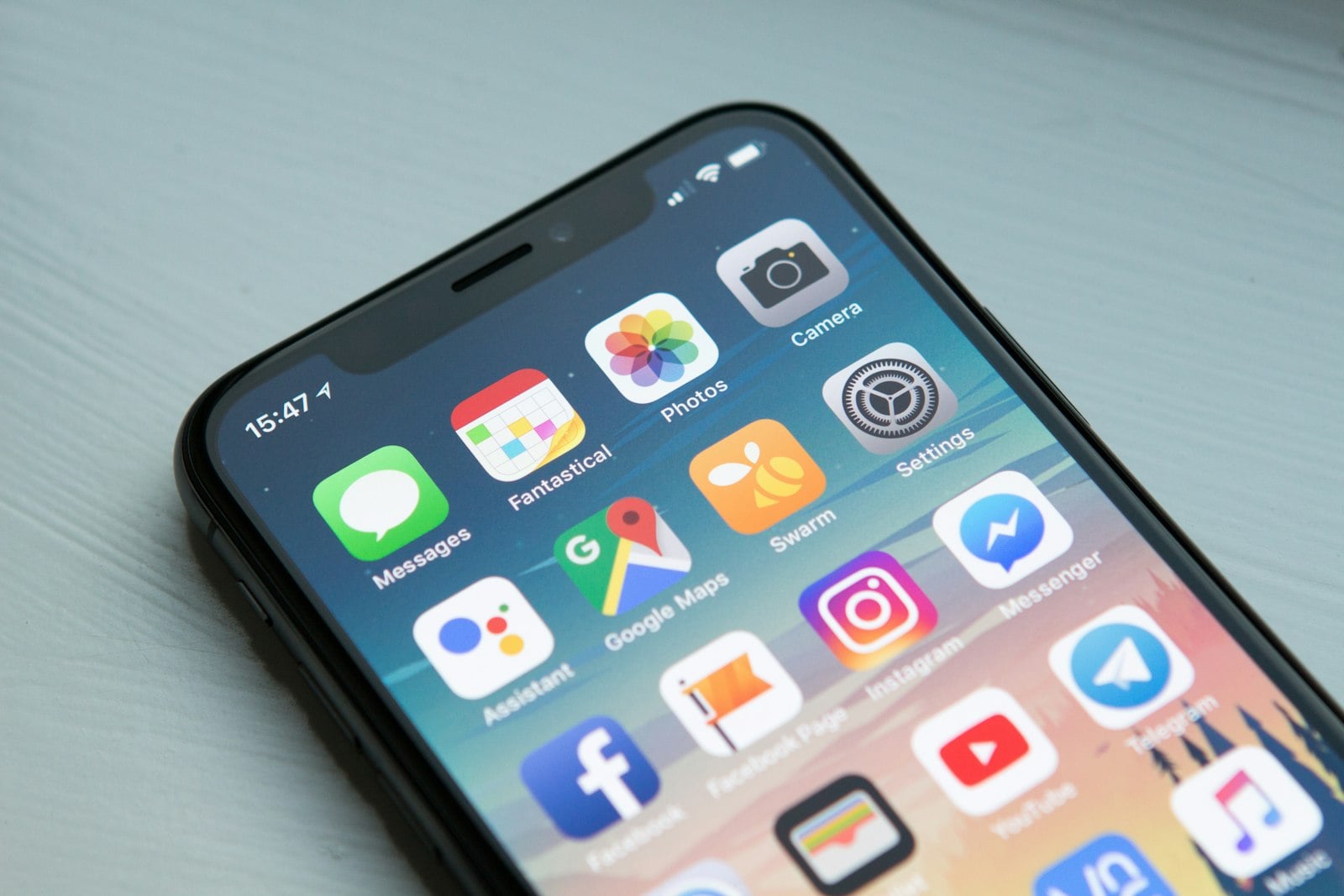
Testing, store compliance and release handled end to end
A working demo on a simulator is not the same as an app that passes store review and holds up on the actual devices your users own. Every build is checked on physical hardware before it goes anywhere near submission.
- Testing across real devices and OS versions.
- Store listings and compliance prepared before submission.
- A clear handover once the app is approved and live.

See the platforms we build for
Illustrative example. The exact framework and device spread depend on what your app needs to support.
From a scoped idea to a live app in the store
Everything a mobile app release needs
UI/UX design
Every screen designed and approved before development starts, so build time is not spent iterating on layout.
Native development
Swift on iOS and Kotlin on Android when performance and native APIs matter most.
Cross-platform builds
A shared Flutter or React Native codebase when one build needs to reach both stores faster.
API & backend integration
Connects the app to your existing backend, APIs or ERP system rather than duplicating data.
QA on real devices
Testing on a spread of physical devices and OS versions, not just a simulator.
App store release
Store listings, screenshots and compliance handled through submission and approval.
What mobile app development changes for your product
Why teams choose TCB Infotech for mobile app development
Mobile App Development, answered
Do you build native apps, cross-platform apps, or both?
How long does it take to build a mobile app?
Will the app work on both iOS and Android?
Do you handle app store submission?
What happens after the app is live?
Can you integrate the app with our existing backend or ERP?
Start Your Mobile App
A mobile app is often the first, and sometimes only, experience a user has with your product. Getting the platform choice, the design and the store release right the first time avoids a costly rebuild later. Book a free consultation and walk through what your app needs to do.
Book a Free Consultation →No commitment. Get a scoped estimate before you decide.
How We Build Mobile Apps
From a scoped idea to a live listing on the App Store and Google Play. Here is how we design, build and test every mobile app we ship.
Scoping, design and a build that ships
Platforms, screens and integrations agreed upfront
We agree on iOS, Android or both, the core screens the first release needs, and any backend or ERP systems the app has to talk to, before any design work starts.
- Platform choice matched to your goals.
- Core screens scoped before design.
- Integration points identified early.

Every screen approved before a line of code is written
Screens are designed and turned into a click-through prototype so you can see and approve the flow before development begins, not after.
- Full screen designs, not just wireframes.
- Click-through prototype for sign-off.
- No layout guesswork once build starts.
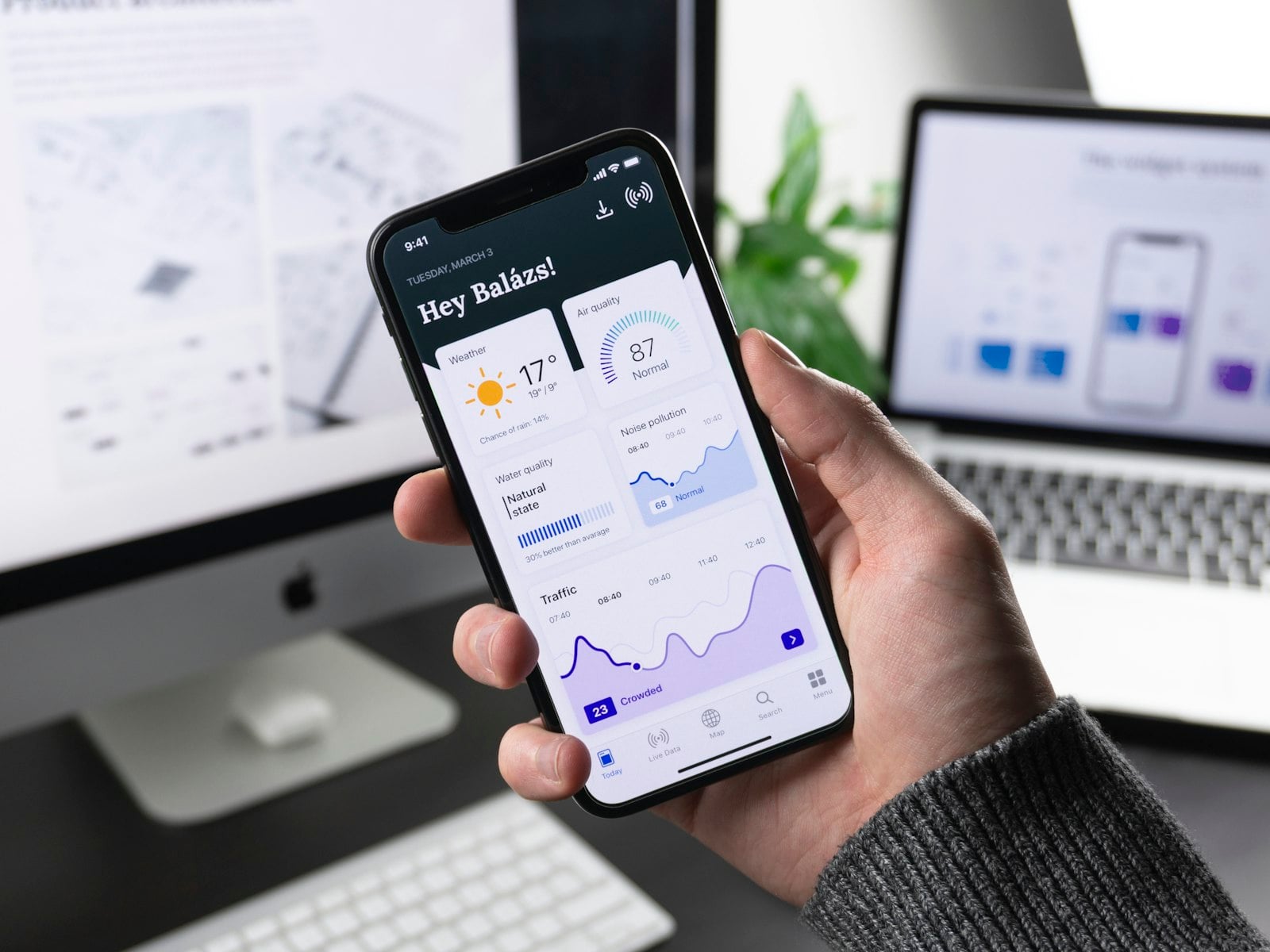
A tested build submitted and monitored after launch
The approved design is built natively or cross-platform, tested on real devices, then submitted to the App Store and Google Play with monitoring after release.
- Native or cross-platform, as scoped.
- Testing on real devices, not only simulators.
- Store submission and post-launch monitoring.

Everything included in the engagement
UI/UX design
Every screen designed and approved before development starts.
Native development
Swift on iOS and Kotlin on Android when performance matters most.
Cross-platform builds
A shared Flutter or React Native codebase for both stores.
API & backend integration
Connects the app to your existing backend, APIs or ERP system.
QA on real devices
Testing on a spread of physical devices and OS versions.
App store release
Store listings, screenshots and compliance handled end to end.