
SAP Consulting

Decide What To Do About SAP 2027 Before It Decides For You

Mainstream maintenance for SAP ECC ends in 2027. Most boards still have no costed answer. We assess your landscape, custom code and licensing, price brownfield against greenfield against selective transition, and hand you a roadmap you can budget.

50+ ERP and software projects. Zero failed projects since 2021.

SAP Roadmap Horizons
Illustrative
Now, 0 to 6 months
Readiness and custom code scan
Object counts by remediation effort, 2 to 3 weeks
Conversion approach decided
Brownfield, greenfield or selective, costed
Next, 6 to 12 months
Hosting and contract signed
RISE, on-premise or your own hyperscaler account
Finance core in build
Wave one scope frozen, sandbox converted
Later, 12 to 36 months
Logistics and supply chain waves
Sequenced by entity, revisited each wave
Legacy retired, licences rebased
ECC decommissioned, digital access settled
Committed items are marked. Everything further out stays open on purpose.
2027
ECC mainstream maintenance ends
6-10 wk
Typical assessment and roadmap
3
Transition options, all costed
12-36 mo
Roadmap horizon
Why It Matters

The 2027 deadline is a decision problem, not a technical one

The hard part is not converting a system. It is knowing which conversion you should be paying for, and proving it to a board.

The Clock Is Real

Extended maintenance to 2030 buys time, not an answer

Mainstream maintenance for SAP ECC 6.0 ends on 31 December 2027. Nothing switches off, but legal and tax patches, security fixes and support stop. Extended maintenance runs to 2030 at a premium on your existing support fee. Meanwhile a conversion takes 12 to 24 months for most mid-sized landscapes, and partner capacity gets scarcer every year closer to the date.

  • Mainstream support ends 31 December 2027.
  • Extended maintenance to 2030 costs a premium and changes nothing structurally.
  • Deciding in 2026 is cheaper than deciding in 2028.

A leadership team reviewing the SAP ECC 2027 maintenance deadline
One Decision, Three Prices

Brownfield, greenfield and selective transition, priced side by side

Brownfield keeps history, configuration and custom code, and carries your process debt with it. Greenfield gives clean processes on SAP standard and asks far more of your people and budget. Selective data transition moves chosen entities and a defined history window, and suits carve-outs and consolidations. We cost all three against your actual landscape and say which one we would pick, with the reasoning shown.

  • Each option costed against your object counts and data volumes.
  • What each preserves and what each throws away, stated plainly.
  • A recommendation, not a menu handed back to you.
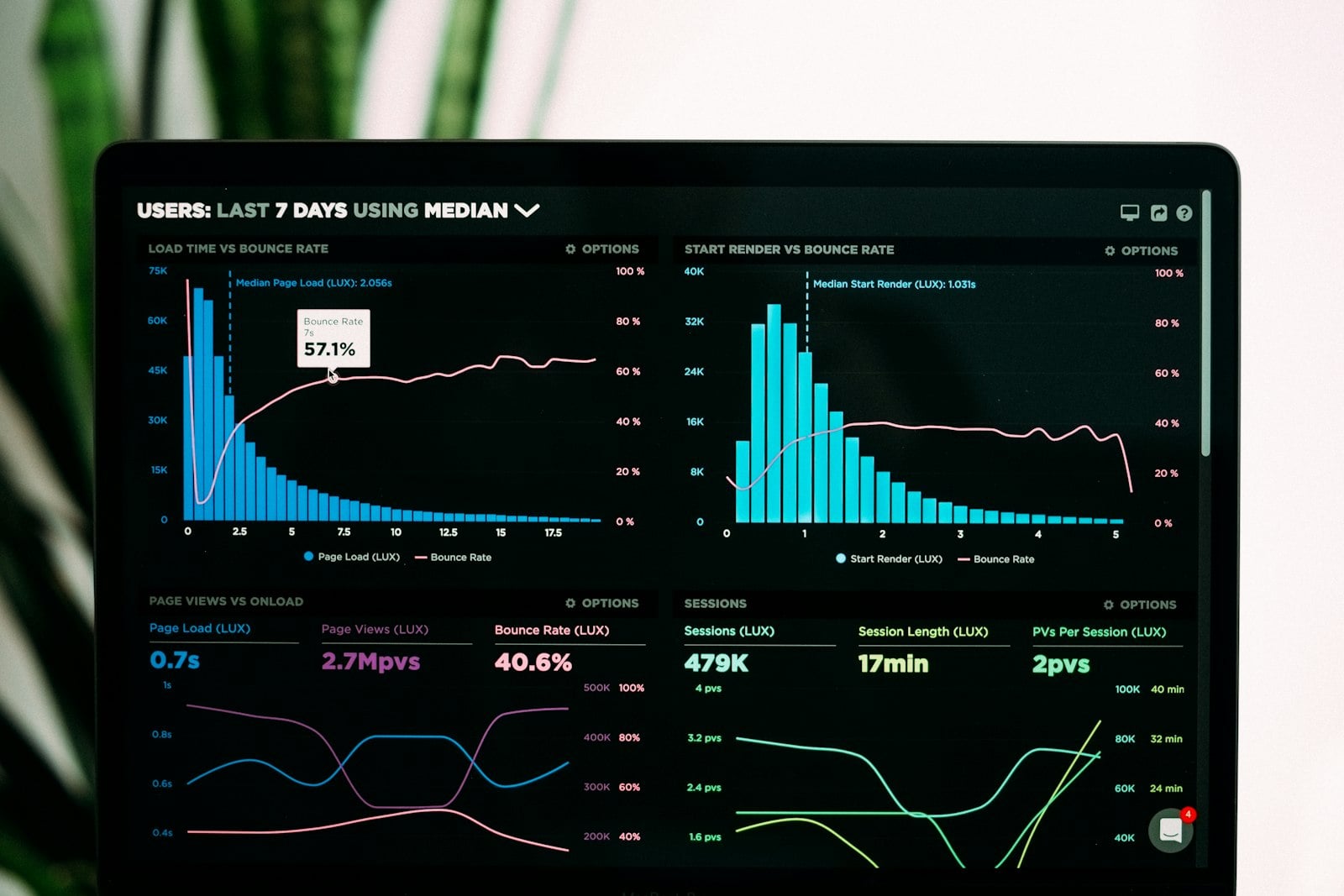
Comparing brownfield, greenfield and selective SAP transition costs
What We Assess

The six areas that set the price of every option

Each one is measured on your system, with numbers you can check, not estimated from a questionnaire.

🖥
Landscape and inventory
Every ECC instance, client, add-on and bolt-on system, with versions, support pack levels and who depends on what.
💻
Custom code estate
Z object counts split into dead, simplification-only and genuine rewrite, using SAP Readiness Check and ATC scans.
📊
Data quality and volume
Table sizes, archiving position, duplicate and orphaned master data, and how much history is worth carrying forward.
⚙
Process fit to standard
Where your configuration has drifted from SAP standard, why it drifted, and which of those reasons still hold.
🔗
Integration surface
Every IDoc, RFC, PI/PO and CPI interface, bank and tax connection, and which third parties break on a cutover weekend.
👥
Readiness and skills
Who owns each process, which basis and ABAP skills you keep in-house, and how much change the business can absorb per wave.
How It Works

Six to ten weeks from first call to a costed roadmap

1
Baseline
We inventory the landscape, run SAP Readiness Check and pull the custom code numbers.
2
Interviews
Process owners in finance, supply chain and IT on what works and what has drifted.
3
Options
Brownfield, greenfield and selective transition modelled on your real numbers.
4
Commercials
RISE against on-premise against your own hyperscaler account, plus licensing exposure.
5
Roadmap
A wave plan across 12 to 36 months with a business case, presented to your board.
What Is Included

Everything the engagement delivers

📋

Landscape assessment

Your systems, versions, interfaces and dependencies written down in one place, often for the first time.

🔍

Custom code readiness

Z object counts split by remediation effort, with the dead code you can delete named explicitly.

⚖

Option comparison

Brownfield, greenfield and selective transition costed against each other, with a recommendation.

☁

Hosting and contract view

RISE, on-premise and your own hyperscaler account compared on control, cost and what happens at renewal.

💰

Licensing position

Named user and engine review, plus your digital access exposure before an audit finds it for you.

🗺

Costed roadmap

A 12 to 36 month wave plan with budget, sequence and a business case your board can approve.

What Changes

What you have at the end of it

One
Decision, with the reasoning shown
Costed
Options instead of vendor ranges
Counted
Custom objects, not guesses
Known
Licensing and digital access exposure
Sequenced
Waves across 12 to 36 months
Portable
Roadmap usable with any partner
Why Us

Why teams choose TCB Infotech for SAP advisory

1
Advice first, delivery second
This engagement ends in a decision and a roadmap. What gets built next is a separate conversation.
2
We will recommend the cheaper route
If brownfield gets you to 2027 safely, we say so, even though greenfield would be the bigger project for us.
3
Numbers from your system
Readiness Check output, ATC findings and table sizes, not industry averages applied to your name.
4
Straight on RISE
We set out what the subscription covers, what stays yours, and what the renewal looks like in year five.
5
Licensing surfaced early
Indirect and digital access is priced into the roadmap rather than discovered during an audit.
6
Proven delivery
50+ ERP and software projects across industries, with zero failed projects since 2021.
FAQ

SAP consulting questions

What actually happens to SAP ECC in 2027?
Mainstream maintenance for SAP ECC 6.0 ends on 31 December 2027. Your system does not switch off. What stops is the support, the legal and tax patches and the security fixes. You can buy extended maintenance to 2030 at a premium on your existing support fee, which buys time rather than solving anything. The practical effect is that the decision has to be made in the next two to three years, and the work itself takes 12 to 24 months for most mid-sized landscapes.
Brownfield conversion or greenfield reimplementation, which is right for us?
Brownfield keeps your history, your configuration and your custom code, and is usually cheaper and quicker, but it carries your existing process debt into S/4HANA. Greenfield gives you clean processes on SAP standard and is the honest answer when your current configuration no longer reflects how the business runs, but it costs more and asks far more of your people. Selective data transition sits between them and suits carve-outs, mergers and multi-entity consolidation. We cost all three against your landscape and recommend one.
What does RISE with SAP actually include?
RISE bundles the S/4HANA Cloud Private Edition licence, the infrastructure on a hyperscaler, and the basis and technical managed service into a single subscription contract with SAP. It does not include your implementation, your integration work or your application support. The trade-off is control. Under RISE, SAP holds the hyperscaler contract and runs the basis layer, which suits teams without a strong basis function. Running your own account on Azure, AWS or GCP keeps the commercial levers with you and usually looks better at renewal if you have the skills in-house.
How much of our custom ABAP code survives the move?
In most estates we see, 30 to 50 percent of custom objects have not been executed in the last year and can simply be dropped. Of what remains, the majority needs only simplification fixes, and a smaller set needs a genuine rewrite, typically anything touching MATNR field length, the removed aggregate tables or direct reads against tables S/4HANA has restructured. The SAP Readiness Check and ATC scans give you real numbers in two to three weeks, and that number drives the cost of every option on the table.
Do we have to decide everything now?
No, and trying to is how roadmaps become fiction. The decisions that cannot wait are the conversion approach, the hosting and contract model, and the first wave of scope, because those set the budget and the timeline. Module-level scope for year two and three is placed on the roadmap as a direction and revisited at each wave. We mark clearly which items are committed and which are still open.
What do we get at the end of the engagement?
A written assessment of your current landscape, a custom code readiness analysis with object counts by remediation effort, a costed comparison of brownfield, greenfield and selective transition, a hosting and licensing position including any digital access exposure, a 12 to 36 month roadmap by wave, and a business case with the numbers behind it. It is written to be usable with any implementation partner, including ones that are not us.

Get a Straight Answer on SAP 2027

Book a free consultation. Tell us what you run today and we will explain what an assessment would measure, what it would cost, and which of the three transition routes your landscape is likely pointing at.

Book a Free Consultation →

No commitment. A practical first read on your SAP position.